



Dreamwerks BLOG / ARTICLES

Best Soap Scum Remover to Prevent Water Spots on Glass Doors
If you've ever stepped into your bathroom and noticed a hazy film creeping across the glass, you already know the frustration. That cloudy buildup is usually a mix of soap residue and mineral deposits, and once it sets in, it's tough to shift. Finding the right soap scum remover early on can save you hours of scrubbing later and keep hard water from ever getting the upper hand. This guide explains why that filmy buildup happens, which cleaners work without damaging your surfaces, and a few installation habits that help stop the problem before it starts. Why Soap Scum Builds Up in the Bathroom Soap scum forms when the fatty acids in bar soap and body wash react with minerals in your water supply. That reaction leaves behind a thin, waxy film that clings to glass, tile, and fixtures - and the harder your water, the faster it builds. The calcium and magnesium in hard water don't rinse away easily. They bond to surfaces as water evaporates, which is exactly how spotty white rings show up on glass and metal fixtures after every use. Left alone, that residue only gets thicker and harder to break down with each shower, and it's a big part of why a good cleaning routine matters so much. What Actually Causes Water Spots on Your Glass Water spots aren't just cosmetic annoyances - they're mineral deposits sitting on the surface until something breaks them down. A few habits make the problem worse: • Letting water air-dry on the glass instead of squeegeeing it off • Using the wrong cleaner, which can etch or dull the surface over time • Skipping regular maintenance until the buildup gets heavy • Ignoring a water-quality problem at the source, like an aging softener The fix is simpler than it sounds. A quick daily habit - a squeegee pass after each shower - combined with the right weekly cleaner keeps spots from ever piling up into a real project down the road. Choosing the Right Soap Scum Remover for Your Shower Not every bathroom cleaner belongs in a shower enclosure. Plenty of general-purpose products are too abrasive and end up scratching acrylic surfaces or dulling a glass coating over time. When you're comparing soap scum removers, look for something labeled non-abrasive and safe for shower glass - that's what breaks down residue without wearing away the finish underneath. Here are two options that consistently get the job done without harming your surfaces. Rejuvenate 32 oz. Soap Scum Remover The Rejuvenate 32 oz. Soap Scum Remover from Home Depot is formulated to be non-abrasive, which makes it a solid pick for glass shower enclosures. It cuts through built-up soap film and mineral haze without needing a scrub brush or an abrasive pad, so you're not putting extra wear on treated glass or acrylic panels. At under ten dollars, it's an easy one to keep under the sink for weekly touch-ups, and a little goes a long way on tough, set-in residue. Magic Shower Glass & Mirror Cleaner For lighter, everyday upkeep, this glass and mirror spray from Magic is built specifically for glass and mirrors in wet environments. It's a nice companion to a deeper-cleaning product - spray it on for quick daily maintenance between the heavier weekend cleanings, and it won't leave the streaky film that all-purpose glass cleaners sometimes do. Keep both on hand, and you've got your bases covered for everyday upkeep and weekly deep cleans alike. Keeping Acrylic Surfaces Scratch-Free If your shower has an acrylic base or acrylic wall panels, cleaner choice matters even more. Acrylic scratches far more easily than tile or fiberglass, so reach for an acrylic cleaner rather than anything gritty, bleach-heavy, or abrasive. A few rules of thumb worth following: • Never use steel wool, scouring pads, or powdered abrasive cleansers on acrylic or glass • Stick to soft microfiber cloths or non-abrasive sponges • Rinse thoroughly - leftover cleaner residue can actually attract more grime, not less • Avoid ammonia-based products on tinted or coated glass, since they can break down protective coatings over time Treat these surfaces gently,y and they'll stay clear for years instead of clouding over within a season. Protecting Your Shower Base During Installation A lot of the buildup problems homeowners deal with actually trace back to how the shower was installed, not just how it's cleaned afterward. If the base isn't fully supported underneath, it can flex slightly every time you step in, and that flexing stresses seams and grout lines over time - which gives water and residue more places to collect. This is where a mortar bed underneath the base earns its keep. A layer of mortar, mixed using a product like Quikrete sand mix, fills the void beneath the base and gives it solid, even support. Without it, you're relying on the base's own rigidity to handle daily foot traffic, which most manufacturers don't recommend for long-term use. A few things worth keeping in mind when setting a base: • Dry-fit the base first to check for gaps before mixing any mortar • Mix your Quikrete sand and water to a firm, damp consistency - not soupy - so it fully supports the base without oozing into drain lines • Preserve the weep channels around the drain, since they let any water that gets underneath the base drain out safely • Let the mortar cure fully before caulking or using the shower Sealing Your Shower Kit the Right Way Once everything is set and cured, sealing the seams correctly matters just as much as the base underneath it. This is where a lot of DIYers reach for whatever caulk is on hand, and that's a mistake that shows up later as leaks or mold. Skip painter's caulk entirely. It's designed for trim and paint lines, not constant water exposure, and it breaks down fast in a wet environment. Instead, use 100% silicone caulk at every seam where the base meets the wall panels and the glass doors. Silicone flexes as things settle slightly over time, staying watertight where a rigid or acrylic-latex caulk would eventually crack. A clean, smooth bead of silicone also gives future buildup less to grip onto, since there are no rough or porous edges for residue to collect in. A Simple Weekly Routine to Keep Things Clear Once your shower kit and glass are properly installed and sealed, maintenance is mostly about consistency. A little bit of regular care goes a long way toward keeping everything looking new: 1. Squeegee the glass after every shower to cut down on standing water 2. Spray a glass cleaner two to three times a week for light upkeep 3. Do a deeper clean with a dedicated soap scum remover once a week 4. Wipe down the shower base and corners where water tends to pool 5. Check caulk lines every few months for any early signs of cracking or peeling It also helps to keep a couple of trustworthy soap scum removers on hand rather than grabbing whatever's under the sink, since not every all-purpose spray is gentle enough for glass and acrylic. And an acrylic cleaner is worth keeping in the same cabinet if your base or panels are acrylic, so you're never tempted to reach for something abrasive in a pinch. This routine takes just a couple of extra minutes but keeps mineral stains and residue from ever getting a real foothold in your bathroom. Quick Answers to Common Questions Is it safe to use a soap scum remover every day? Most formulas are gentle enough for frequent use, but a daily squeegee pass plus a lighter spray cleaner is usually all you need. Save the stronger soap scum remover for a weekly deep clean rather than an everyday step. Can I make my own soap scum remover at home? Homemade mixes with vinegar or dish soap can help in a pinch, but they're not always safe for acrylic or coated glass, and vinegar's acidity can wear down certain seals over time. A store-bought, non-abrasive formula is the safer long-term bet. Why does my new shower already have spots after a few weeks? This usually points to mineral-rich water rather than anything wrong with the install. Starting a simple cleaning routine right away, before residue has a chance to build up, makes a noticeable difference within the first month. Does caulk choice really affect how much cleaning I have to do? Yes. A properly sealed, well-supported base sheds water more evenly and gives residue fewer nooks to settle into, which means less scrubbing down the road. Final Thoughts Keeping a shower clear isn't complicated once you understand what's actually happening on that surface. A good cleaner does the heavy lifting on cleaning day, while smart installation habits - a properly bedded base, preserved weep channels, and 100% silicone at the seams - keep water and residue from finding new places to settle in. Handle both sides of the equation and your glass will stay looking new for years, not months.
Read moreDreamwerks BLOG / ARTICLES
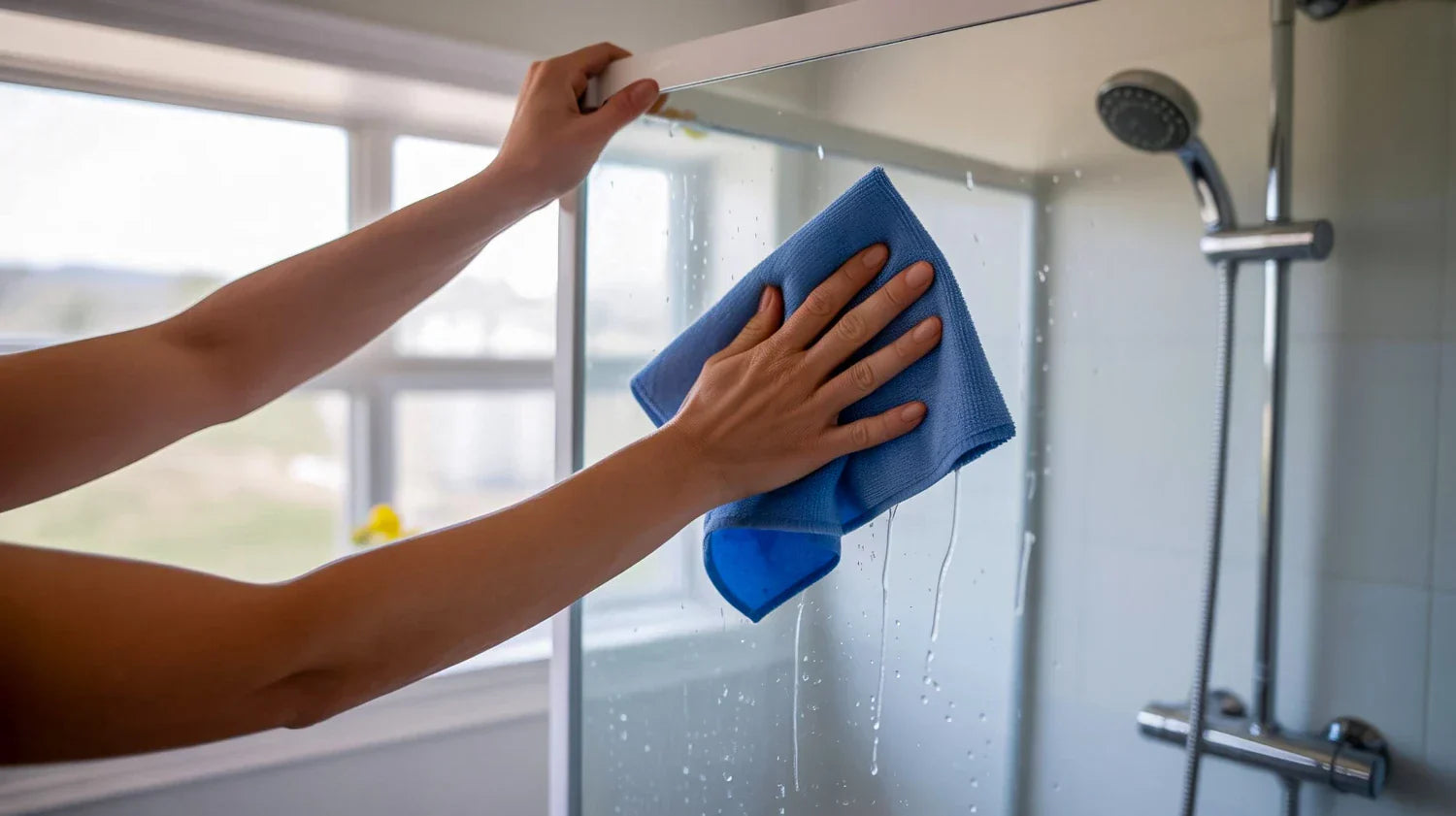
How to Clean Glass Doors: Best Way to Maintain Your Shower
Let’s be honest for a second: nobody actually enjoys cleaning the bathroom. It’s usually the chore we kick down the road until we absolutely can’t stand looking at the grime anymore. And the biggest offender? Those glass shower doors. When they’re clean, the whole room looks like a five-star hotel. When they’re covered in that cloudy, white film, the whole vibe just feels... off. If you’ve been struggling to get that crystal-clear shine, don't worry. You don't need magic or a professional cleaning crew. You just need a better game plan. Learning how to clean glass doors is mostly about understanding what you’re up against and using the right tools for the job. Why Does My Shower Look So Cloudy? It’s frustrating, right? You take a shower to get clean, but the shower itself seems to get dirtier every time you use it. Most people think it’s just soap, but it’s actually a bit more scientific than that. First, you have hard water minerals. Depending on where you live in the USA, your water might be full of calcium and magnesium. When those water droplets dry on your glass, they leave the minerals behind. Over time, these build up into those annoying little white circles. If you want to remove water spots, you have to actually break down those mineral deposits. Then you have soap scum. This happens when the fats in your bar soap react with the minerals in the water. It creates a sticky, waxy layer that loves to grab onto everything-skin cells, hair, and dust. If you don't use a solid shower glass cleaner, you’re basically just moving that wax around instead of actually getting rid of it. The Essentials: What You Actually Need Before you start scrubbing until your arm hurts, let’s talk about your toolkit. You don't need a cabinet full of chemicals. In fact, some of the best stuff is probably already in your pantry. 1. The Right Scrubby Tool Stop reaching for the green scouring pads. You might think you're being tough on the grime, but you're actually leaving tiny scratches on the glass. Those scratches act like little "pockets" that trap even more dirt later. Stick to a soft microfiber cloth or a non-abrasive sponge. 2. A Reliable Squeegee If you don't have a squeegee yet, go get one. It is the single most important tool in this entire guide. It’s the difference between cleaning your shower once a week and cleaning it once a month. 3. The Best Shower Glass Cleaner You have two main choices here. You can go the DIY route or buy something off the shelf. The DIY Route: Mix equal parts white vinegar and water in a spray bottle. Add a few drops of blue dish soap (the kind used for greasy pots). The vinegar cuts the minerals, and the soap cuts the grease. It’s cheap, and it works. The Store-Bought Route: If the vinegar smell is too much for you, look for the best shower glass cleaner at the store. Look for brands that mention "dissolving minerals" or "water spot remover." The Deep Clean: Step-by-Step If your shower doors look like they’ve been through a sandstorm, a quick wipe won't cut it. You need to do a "reset" clean. Here is how to do it without losing your Saturday. Step 1: The Pre-Rinse Turn on the hot water for a minute to get the bathroom steamy. The heat helps loosen up the soap scum. Use your showerhead to rinse down the glass and get rid of any loose hair or surface dust. Step 2: Spray and Stay Spray your shower glass cleaner all over the door. Now, here is the secret: Wait. Don't start scrubbing immediately. Let the cleaner sit for at least 10 minutes. This gives the ingredients time to eat through the hard water buildup. If it starts to dry out, just spray a little more. Step 3: The Scrub Now that the gunk is softened up, take your microfiber cloth and work in circular motions. Start at the top and work your way down. You’ll feel the texture of the glass change as it gets smoother. Step 4: Focus on the Problem Areas To truly remove water spots that have been there for a while, you might need to apply a little more pressure. If the vinegar spray isn't doing it, make a paste out of baking soda and water. Rub it onto the spots, let it sit, and then wipe it away. The baking soda provides just enough grit to polish the glass without scratching it. Step 5: The Final Rinse Rinse everything off with cold water. Cold water doesn't create steam, so you can actually see if you missed any spots while the glass is still wet. How to Clean Hard Water Stains (The Heavy Duty Stuff) Sometimes, you move into a new place, and the shower looks like it hasn't been cleaned since the 90s. If the glass feels rough like sandpaper, you're dealing with serious mineral buildup. To clean hard water stains of this level, you might need a professional-grade acidic cleaner. Be careful with these, though-wear gloves and keep the door open for airflow. If you prefer to stay natural, lemon juice is a great alternative to vinegar. It’s highly acidic and smells a lot better. Just rub a cut lemon directly on the stains, let it sit, and rinse. The Secret to Never Scrubbing Again I’m going to let you in on a little secret. Professional cleaners don't have "magic" sprays; they just have better habits. If you want to clean glass doors less often, you have to stop the spots before they start. The 60-Second Squeegee Habit Every time you finish your shower, take your squeegee and wipe down the glass. It takes about one minute. By removing the water before it dries, the minerals never have a chance to stick. If the water isn't there, the spots can't form. It’s that simple. Use a Water Repellent. Once your glass is perfectly clean and dry, apply a glass treatment product (like the ones used on car windshields). It creates an invisible shield that makes water bead up and roll right off. It’s a total game-changer for keeping things low-maintenance. Common Mistakes People Make Using Dry Cloths on Dirty Glass: Never rub a dry cloth on a dry, dirty shower door. You’re just grinding the minerals into the glass. Always use a liquid cleaner to provide lubrication. Forgetting the Seals: Those clear plastic strips at the bottom of the door? They get nasty fast. Make sure to spray them with your best shower glass cleaner and use an old toothbrush to get into the grooves. Ignoring the Tracks: If you have a sliding door, the metal tracks at the bottom are usually full of standing water and soap. This is where mold starts. Dry them out after your shower to keep the bathroom smelling fresh. Why It Matters You might think, "It's just a shower door, who cares?" But taking the time to clean hard water stains is actually about protecting your home. If minerals stay on the glass for years, they can actually "etch" the surface. This means the minerals chemically bond with the glass, causing permanent damage that no amount of scrubbing will fix. At that point, your only option is to replace the glass, which can cost hundreds or even thousands of dollars. Cleaning it now saves you a massive headache (and a big bill) later. Plus, let’s be real, stepping into a crystal-clear shower just feels better. It makes your morning routine feel a little more like a treat and a little less like a chore. Wrapping It Up Keeping your bathroom looking great doesn't have to be your second full-time job. By using a simple vinegar mix or the best shower glass cleaner you can find, and spending sixty seconds with a squeegee every morning, you can keep that "just-cleaned" look for weeks at a time. Don't let the hard water win. Start with a deep clean this weekend to remove water spots, and then stick to the daily maintenance. Your future self will thank you when you don't have to spend three hours scrubbing on a Saturday.
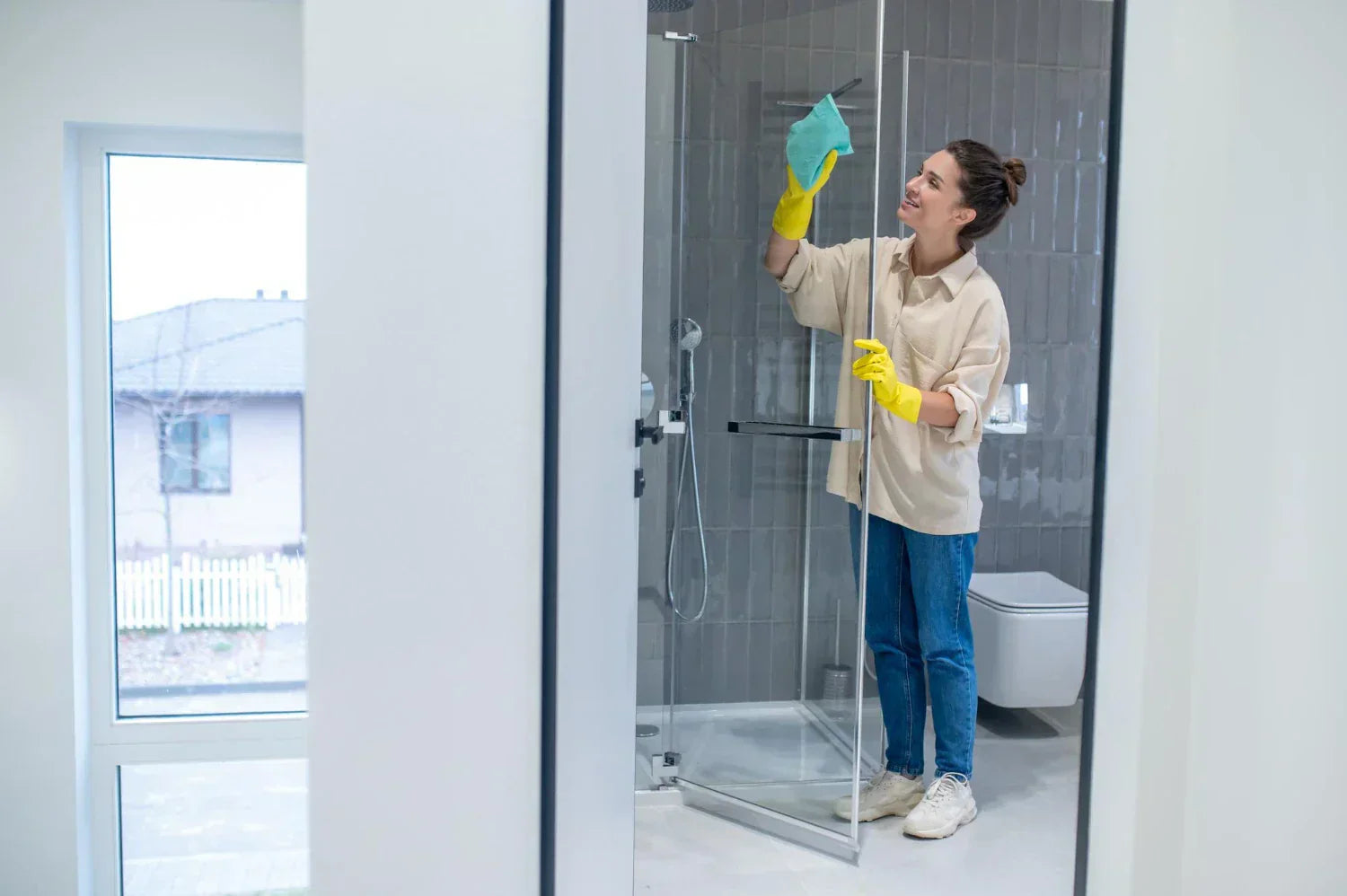
How to Clean a Shower Enclosure to Extend Its Lifespan
A shower enclosure gets used every single day, yet it’s often the last thing people think about maintaining. Over time, soap residue, water spots, and moisture quietly build up. Left alone, they can dull the glass, damage hardware, and shorten the life of the enclosure. The good news? Keeping your enclosure looking new doesn’t require special tools or hours of effort. With a few smart habits, you can protect everything from the glass to the rollers. This matters whether you’re using a basic setup, full shower kits, or a high-end luxury shower enclosure. Let’s keep this simple and practical. Why Regular Cleaning Makes Such a Difference A clean enclosure isn’t just about looks. It affects how smoothly the doors move, how long seals last, and how fresh your bathroom feels. When cleaning becomes part of your routine, you: Keep glass clear instead of cloudy Prevent rust and corrosion on metal parts Avoid stiff or noisy doors Extend the life of seals and rollers Maintain a cleaner, healthier bathroom If you’ve invested in complete shower enclosure kits, proper care helps protect that investment long term. Start by Knowing Your Shower Enclosure Before cleaning, it helps to understand what your enclosure is made of. Glass Panels Most enclosures use tempered safety glass. Clear glass shows water spots more easily, while frosted or textured glass hides them a bit better but still needs regular cleaning. Frames and Hardware Framed and semi-frameless enclosures include metal edges and trims that should be cleaned gently to avoid scratches. Frameless styles rely heavily on spotless glass and clean hardware to look their best. Tracks and Seals Sliding doors, common in many shower kits, depend on clean tracks. Rubber seals keep water inside and need attention to prevent mold and wear. Daily Habits That Save You Time Later Here’s the thing: the easiest way to clean a shower enclosure is to stop buildup before it starts. After each shower: Run a squeegee over the glass Wipe down handles and metal edges Leave the door slightly open to let moisture escape It takes less than a minute, but it makes weekly cleaning much easier. A Simple Weekly Cleaning Routine Once a week, give your enclosure a proper clean. This keeps it looking good and working smoothly. Clean the Glass Use a mild, non-abrasive cleaner and a soft cloth. Spray lightly, wipe gently, and dry the glass to avoid streaks. Harsh chemicals and rough pads do more harm than good. Wipe the Frames and Hardware Soap residue loves metal surfaces. Wipe frames, hinges, and handles with a damp cloth, then dry them right away. This is especially important if you have a luxury shower enclosure with premium finishes. Check Sliding Tracks If your enclosure slides, inspect the bottom track. Remove hair, soap buildup, and debris. Clean tracks mean smoother doors and fewer problems over time. Monthly Checks That Prevent Bigger Issues Once a month, take a closer look. Check rubber seals for mold or cracks Clean corners where grime tends to hide Make sure handles and hardware are secure Pay attention to how smoothly doors move Catching small issues early can save you from costly repairs later. What Not to Do When Cleaning Some common habits can shorten the life of your enclosure. Avoid: Scrubbing with abrasive pads or steel wool Using strong bleach or acidic cleaners Letting cleaning products sit too long Ignoring moisture around seals and frames Gentle cleaning always works better in the long run. How Cleaning Protects Shower Enclosure Kits Regular cleaning doesn’t just keep things shiny. It keeps everything working as it should. Clean glass resists permanent stains. Dry hardware resists rust. Flexible seals last longer. If your bathroom includes complete shower enclosure kits, this kind of care helps every part perform better for longer. Extra Care for Luxury Shower Enclosures A luxury shower enclosure is designed to look refined, so a little extra care goes a long way. For best results: Stick to gentle cleaners Dry metal finishes after cleaning Keep hinges and tracks clean Make sure your bathroom is well-ventilated These small habits help preserve that polished, high-end look. Long-Term Maintenance Tips That Actually Work If you want your enclosure to stay in great shape: Clean it consistently, not occasionally Replace worn seals as soon as you notice them Fix stiff doors before they get worse Reduce moisture with proper airflow Simple habits make a big difference over time. FAQs How often should I clean my shower enclosure? Light cleaning once a week, plus quick daily wipe-downs, works best. Can I use regular household cleaners? Mild cleaners are fine. Avoid anything harsh that could damage glass or finishes. How do I stop water spots from forming? Using a squeegee after every shower is the most effective method. Are sliding shower enclosures harder to maintain? They need a bit more attention in the tracks, but regular cleaning keeps them smooth. Does cleaning really extend the lifespan? Yes. It protects glass, hardware, and seals from early wear and damage. Final Thought A shower enclosure is something you rely on every day, so taking care of it is worth the effort. With the right routine, it can stay clear, smooth, and good-looking for years. If you’re thinking about upgrading or exploring modern shower kits and shower enclosure kits, Dreamwerks offers well-designed options that balance style, durability, and easy maintenance. Take a look through the collection and choose an enclosure that fits your space and your lifestyle.

Easy Ways to Clean and Maintain Your Shower Kit?
Keeping your bathroom clean doesn’t have to feel like a full-time job! If you’ve recently installed one of those stylish shower kits, you’re probably in love with how sleek and modern it looks. But here’s the thing — if you want it to stay that way, a little maintenance goes a long way. Whether you own a complete shower kit, a luxury shower enclosure, or one of the modern shower enclosure kits, this simple guide will walk you through everything you need to know to keep your shower looking fresh, shiny, and as good as new. Let’s jump right in! Why Cleaning Your Shower Kit Matters Your bathroom is one of the most used areas in your home, and shower kits are often exposed to soap scum, water stains, and grime every single day. If left unattended, all that buildup can ruin the look of your beautiful setup and even damage the surface over time. Here’s why regular cleaning and maintenance matter: It prevents mold and mildew buildup. Keeps your shower kits shiny and spotless. Extends the life of your enclosure materials. Saves money on expensive repairs or replacements later. Makes your bathroom smell fresher and look brand new! If you love a bathroom that sparkles, you’ll definitely want to make cleaning part of your weekly routine. Step-by-Step Guide to Cleaning Your Shower Kit Alright, let’s keep this simple and fun. No complicated jargon or fancy chemicals. Just real, easy steps that anyone can do! Step 1: Gather Your Cleaning Supplies Before you start, grab what you need. Here’s a handy list: A soft sponge or microfiber cloth White vinegar Baking soda Spray bottle Mild dish soap Warm water An old toothbrush for tight corners Avoid harsh cleaners with bleach or ammonia — they can dull the finish of shower kits or damage the glass panels. Step 2: Spray, Soak, and Wait Combine equal amounts of warm water and white vinegar in a spray bottle. Spray generously on the glass panels and walls of your shower kits. Let it sit for about 10–15 minutes. This helps loosen soap buildup and hard water stains. If you have a luxury shower enclosure, pay extra attention to the corners and edges where grime loves to hide. Step 3: Scrub Gently After soaking, take a soft sponge and gently scrub in circular motions. For tough spots, sprinkle a bit of baking soda on the sponge — it works like a natural scrubbing agent without scratching the surface. Use the toothbrush to clean small areas like joints, hinges, or drain covers in shower enclosure kits. Step 4: Rinse Everything Off Once you’ve scrubbed away all the grime, rinse with clean water. Use a handheld shower or a bucket of warm water to wash away the residue. Make sure no cleaning solution is left behind — it can leave streaks or attract more dirt later. Step 5: Dry It Like a Pro Here’s the secret step most people skip — drying! After rinsing, use a clean microfiber cloth to dry the surfaces. This prevents water spots and streaks. Tip: Keep a squeegee in your bathroom and run it over your shower kits after every use. It takes less than a minute and keeps them spotless every day. Maintenance Tips to Keep Your Shower Kit Looking New You’ve cleaned your shower once, but what about keeping it that way? Follow these easy maintenance tips and your complete shower kits will look brand new all year round! Do a quick rinse daily: After every shower, rinse off the walls and doors. It prevents soap and shampoo buildup. Use mild cleaners only: Harsh chemicals can ruin the glass and finish of shower kits. Keep it dry: Moisture invites mold. Wipe down surfaces with a cloth or wiper after every shower. Clean the drain weekly: Avoid clogs by removing hair and residue. Polish the hardware: Use a soft cloth and gentle cleaner to make your metal parts shine. Check for cracks or loose seals: Early fixes save money and keep your shower enclosure kits watertight. Ventilate the bathroom: Turn on the fan or open a window after a shower to prevent moisture buildup. Natural Cleaners That Work Wonders Want to skip store-bought chemicals? Try these natural options for your shower kits: Vinegar + Baking Soda Mix: Cuts through soap scum. Lemon Juice: Removes water stains and smells amazing. Hydrogen Peroxide: Great for whitening grout and removing mildew. Salt + Vinegar Paste: Works great for deep-cleaning metal fixtures. These are eco-friendly, budget-friendly, and safe for your luxury shower enclosure. Common Shower Kit Mistakes to Avoid Even with the best cleaning habits, mistakes happen. Here’s what to watch out for: Using abrasive pads or steel wool — they’ll scratch your shower kits. Leaving vinegar on too long — it can damage metal trims. Ignoring water spots — they can etch into glass over time. Not sealing grout lines — moisture sneaks in and causes damage. Forgetting regular cleaning — consistency is key! Remember, prevention is always easier (and cheaper!) than repairs. Choosing Quality Shower Kits Makes Cleaning Easier If your shower is a nightmare to clean, it could be the product quality. Complete shower kits from reputable brands like Dreamwerks are designed for easy maintenance and durability. Here’s why top-quality shower kits are worth the investment: Smooth, non-porous surfaces that resist stains. Frameless or semi-frameless glass that wipes clean easily. Smart drainage systems to prevent standing water. Durable hardware that doesn’t rust or corrode. High-quality shower enclosure kits aren’t just about luxury — they save you time and stress every single day. When to Deep Clean Your Shower Kit Not every mess is visible. Even clean-looking shower kits collect invisible grime. So, when should you deep clean? Every 2 weeks: Wipe down glass and walls. Once a month: Deep clean the tiles, floor, and drains. Every 3 months: Check seals, caulking, and grout lines. Every 6 months: Polish glass and metal for that fresh, new look. Make it a schedule — it’s easier to maintain than a once-a-year deep scrub! FAQs Q1: How often should I clean my shower kit? It’s best to give your shower kits a light clean every week and a deep clean once a month. Regular upkeep helps avoid stubborn stains and soap scum. Q2: Can I use vinegar on all types of shower kits? Yes, vinegar is safe for most surfaces, but don’t leave it too long on metal trims or marble bases — it can cause dullness. Q3: What’s the best cleaner for a luxury shower enclosure? Use mild dish soap mixed with warm water or a vinegar solution. Avoid anything abrasive or acidic. Q4: How do I stop mold from growing in my shower? Ventilation is key! Open a window or use an exhaust fan after every shower. Also, dry your shower kits with a cloth or squeegee. Q5: Are complete shower kits easy to clean? Absolutely! Most modern complete shower kits are made with easy-clean materials like acrylic and tempered glass, which need minimal scrubbing. Final Thoughts There you have it — the easiest way to keep your shower kits spotless and shining without spending your entire weekend cleaning. With regular maintenance and gentle care, your luxury shower enclosure or shower enclosure kits will stay as stunning as the day you installed them. Remember, consistency is everything — clean a little, but clean often! If you’re looking for high-quality shower kits that are easy to clean, built to last, and look absolutely gorgeous in your bathroom, Dreamwerks has got you covered. Stylish, durable, and effortless — because your shower should be the best part of your day.


