

BLOG / ARTÍCULOS DE DREAMWERKS
Common Shower Kit Installation Mistakes | How to Avoid Them
Installing a shower kit is one of the most rewarding bathroom upgrades you can make - but it's also one where small mistakes can lead to big headaches. Whether you're renovating a full bathroom or simply replacing an outdated unit, knowing what not to do is just as important as knowing the right steps. This bathroom guide walks you through the most common shower installation mistakes homeowners and contractors make - and exactly how to avoid them. From choosing the wrong substrate for your shower wall panels to skipping the installation manual, we have got you covered. What Are the Most Common Shower Installation Mistakes? The most common mistakes include using the wrong substrate behind shower wall panels, ignoring the installation manual, using mismatched base materials, incorrectly shimming the shower base, and assuming all shower kits have the same panel or glass thickness. Each of these can affect the durability, safety, and appearance of your finished shower. Mistake #1: Skipping the Installation Manual This is the number one mistake - and the most avoidable. Every shower kit is different, and the installation manual is written specifically for your model. Dimensions, substrate requirements, wall thickness limits, shimming instructions - all of it lives in that document. Manufacturers publish installation videos and downloadable manuals for every shower model on their websites. These are model-specific guides, which means what works for one unit may not apply to another. Always follow the manual that matches your exact product. Pro Tip: Download the installation manual before ordering your shower kit. Check substrate requirements and wall thickness specs so your space is already prepped when the kit arrives. Mistake #2: Using the Wrong Substrate Behind Shower Wall Panels Shower wall panels are thin and factory-formed - most are only around 3.0 to 3.2 mm thick (about 1/8 inch). Because of this, the backing you install them on matters enormously. A soft, uneven, or unsuitable substrate will cause panels to flex, crack, or fail over time. The standard requirement is a continuous exterior-grade plywood backer - typically between 1/2 inch and 3/4 inch thick. Some models also accept properly installed cement board, but the finished wall thickness where the shower doors mount must not exceed 3/4 inch. Always check your model's installation manual for the exact substrate specification before you start. What to avoid: Drywall or green board behind shower wall panels. These materials absorb moisture and will eventually cause the panels to separate, warp, or allow mold growth behind the wall. Mistake #3: Assuming All Shower Doors Have the Same Glass Thickness Not all shower doors are built the same, and glass thickness is a spec that many people overlook. Lighter shower door styles typically use 6.0 mm (approximately 1/4 inch) tempered safety glass, while heavier frameless or premium doors use 10 to 12 mm glass (roughly 3/8 to 1/2 inch). This difference affects how the door is mounted, what hardware is used, and how the frame or hinges are positioned. If you're replacing just the door - not the full shower kit - you need to confirm the glass thickness matches the existing hardware. Mixing glass weights with incompatible hardware is a safety risk. Remember: All quality shower doors use tempered safety glass. When in doubt, check the parts figures in your model's installation manual for the exact callout. Mistake #4: Not Leveling and Shimming the Shower Base Properly A shower base that isn't level causes water to pool in the wrong areas, puts stress on the drain connection, and creates visible gaps around the walls. This is one of the most common installation errors - and one of the hardest to fix after the fact. Most shower kit installation manuals specifically emphasize shimming the base until it sits completely level before securing it. This step cannot be skipped. Shower bases are molded from acrylic, fiberglass, or thermoplastic materials like ABS and PVC - materials that are rigid but not self-adjusting. If the floor beneath is uneven, the base will follow the floor unless you correct it with shims. Mistake #5: Substituting the Wrong Drain or Base When a shower kit comes with a base, it includes a specific drain center measurement. Swapping in a different base or drain without verifying the drain center location is a common mistake that results in either a misaligned drain or a base that doesn't sit flush. Always use the base included with your shower kit. If you need to substitute, verify the drain center before purchasing an alternative. Drain components are typically molded from polypropylene or PVC, and base materials are usually acrylic, fiberglass, or thermoplastic - all of which have specific chemical compatibilities with sealants and adhesives. Don't Forget the Rest of the Bathroom: Vanities, Cabinets, and Tubs Shower installation doesn't happen in isolation. If you're doing a full bathroom renovation, you're also likely dealing with vanity cabinets, vanity tops, LED medicine cabinets, and possibly freestanding bathtubs. Each of these has its own installation considerations. Vanities and Vanity Tops Vanity cabinets should be moisture-resistant - look for MDF or composite construction with properly sealed panels. Vanity tops in engineered marble or quartz are typically around 3/4 inch thick. A common mistake is anchoring vanities to drywall alone. Always fasten into wall studs, especially when the vanity top is made from stone or engineered marble. LED Medicine Cabinets LED medicine cabinets with integrated dimming and defogger features require a proper electrical connection - this is not a DIY step unless you are qualified. The good news is that LED drivers and bulbs in quality medicine cabinets are typically serviceable, meaning you can replace components without replacing the entire unit. Always confirm the cabinet is rated for bathroom use and that wiring meets local code. Freestanding Bathtubs Freestanding bathtubs are typically acrylic. A common mistake is using harsh chemical cleaners that damage the acrylic surface. Always use acrylic-safe cleaning products. Also, confirm the floor can support the combined weight of the tub, water, and occupant before installation - freestanding tubs filled with water can be extremely heavy. Quick Reference: Shower Installation Checklist • Read your model-specific installation manual before starting • Confirm substrate: continuous exterior-grade plywood (1/2"–3/4") or cement board per manual • Verify finished wall thickness does not exceed 3/4" at door mounting points • Level and shim your shower base before securing • Use the base and drain included with your shower kit - verify the drain center if substituting • Confirm glass thickness (6 mm for lighter doors, 10–12 mm for frameless) matches hardware • Use moisture-resistant materials throughout - vanity cabinets, substrate, and sealants • Have a qualified electrician handle LED medicine cabinet wiring • Use acrylic-safe cleaners on freestanding bathtubs and acrylic shower bases Final Thoughts A successful shower kit installation comes down to preparation and following your installation manual. Most mistakes happen when people skip specifications, assume one size fits all, or rush through substrate and leveling steps. Take the time to read your model-specific guide, use the right materials, and confirm every measurement before you commit. Whether you are installing a complete shower kit with wall panels and shower doors, or building out a full bathroom with vanities, LED medicine cabinets, and a freestanding bathtub - the details matter. Get them right, and you will have a bathroom that looks great and lasts for years.
Leer másBLOG / ARTÍCULOS DE DREAMWERKS

Can I Install a Shower Kit Myself? The Ultimate DIY Guide to Success
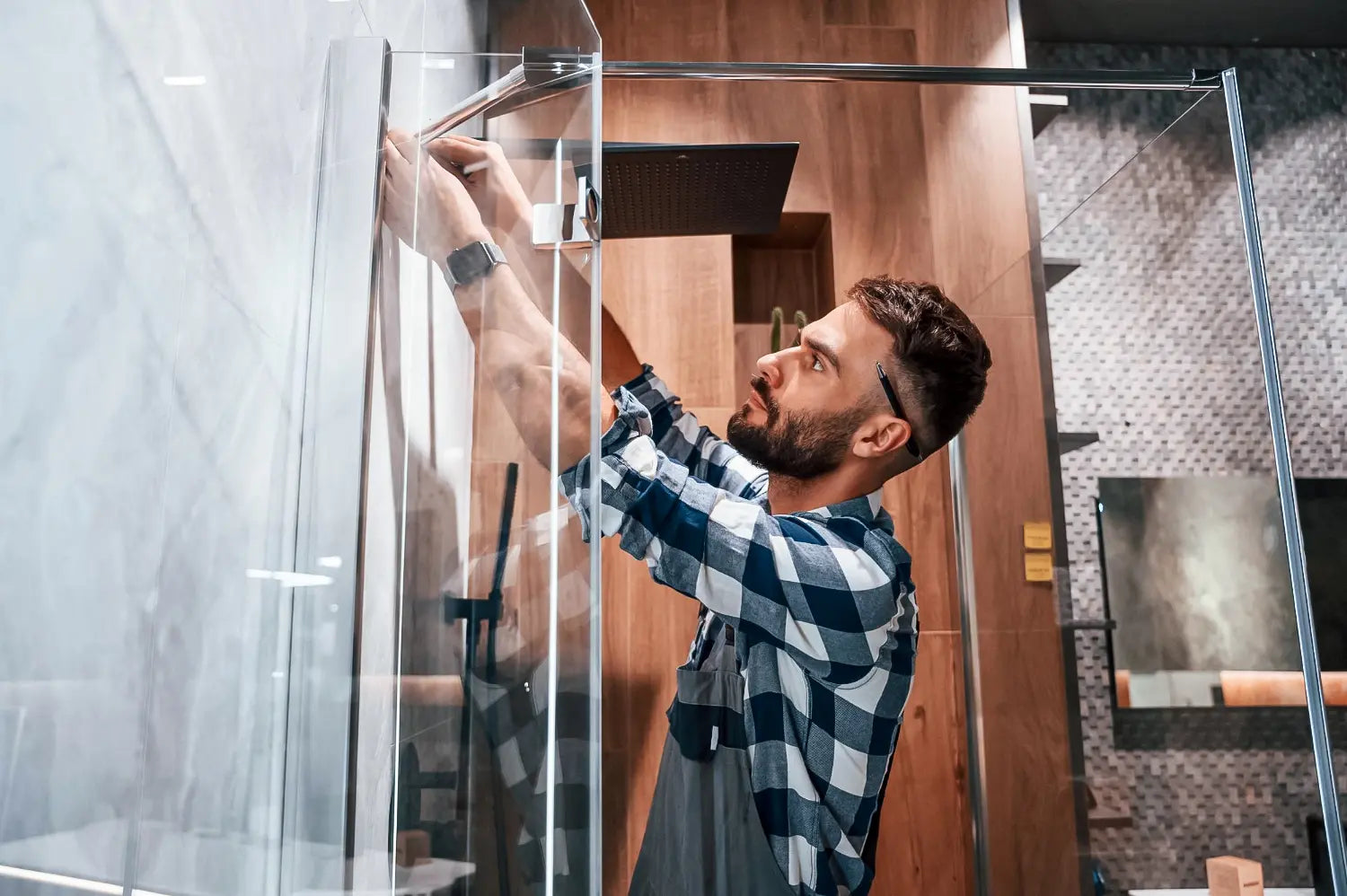
One of the most satisfying home improvement projects you can do is remodeling a bathroom. It adds value to your home and improves your daily routine. However, the biggest question homeowners face is: Can I install a shower kit myself? The short answer is yes—with the right tools, a bit of patience, and a solid plan, you can achieve a professional-looking result. In this comprehensive guide, we will break down everything you need to know about installing a shower kit, helping you decide if this is a project you should tackle this weekend. Why Choose a Shower Kit for Your DIY Project? Before we dive into the "how-to," it is important to understand why shower kits are the preferred choice for DIY enthusiasts. Unlike traditional tile showers that require complex waterproofing, mud beds, and days of grouting, a kit is designed for efficiency. Most kits from Dreamwerks include a pre-sloped base and matching wall panels. This eliminates the guesswork of drainage and significantly reduces the risk of leaks. If you are looking for a walk-in shower DIY solution, these kits are specifically engineered to fit together like a puzzle, making the installation much more approachable for a beginner. Assessing Your Skills: Is This Project Right for You? While the process is streamlined, you do need a baseline of "handyman" skills. Ask yourself the following: Can I use a circular saw or a jigsaw to cut wall panels? Am I comfortable using a drill and a level? Do I have a basic understanding of how to connect a drain? If you can answer yes to these, you are likely ready to install a shower kit without professional help. The Essential Toolkit for Professional Shower Installation To ensure your shower kit installation goes smoothly, you need to gather your tools before you start. There is nothing worse than being halfway through a project and needing to run to the hardware store. Necessary Tools: Level (4-foot is best): Vital for the base. Caulk Gun: For high-quality silicone sealant. Power Drill: For securing panels to studs. Measuring Tape: Accuracy is everything in plumbing. Hole Saw: To cut openings for the shower valve and head. Step 1: Preparing the Space and Learning How to Install Shower Areas Success starts with the "bones" of your bathroom. You cannot simply throw a new kit over a rotten floor. You must strip the area down to the studs and the subfloor. Check for any signs of water damage or mold. If the wood is soft, replace it now. This is also the time to ensure your plumbing lines are in the correct position. If you are learning how to install shower components for the first time, take photos of the pipes before you close the walls. Step 2: How to Install a Shower Base Properly The foundation of your entire shower is the floor, often called the pan or base. This is the most critical stage of the project. If the base is not level, the water will not drain, and your wall panels will not line up. When you install shower base units, you should always perform a "dry fit" first. Place the base in the spot where it will live and check it with your level. If there are gaps, you will likely need to use a thin-set mortar bed underneath to create a firm, level foundation. Once the mortar is down, set the base and let it cure according to the manufacturer's instructions. Step 3: Managing the Plumbing Connections During Shower Kit Installation Many people feel intimidated by plumbing, but modern kits make it easier. Most kits use a compression-style drain that tightens around the pipe. When figuring out shower kit drainage, remember to use plumber's putty or a high-quality silicone gasket. Ensure the drain pipe is cut to the exact height specified in your Dreamwerks manual. A leak under the floor is a nightmare to fix later, so double-check these seals! Step 4: Installing the Wall Panels Once the base is set and the drain is connected, it is time for the walls. This is where your walk-in shower DIY really starts to take shape. Measure and Cut: Measure the location of your shower handle and shower head. Mark these on the panel and use a hole saw to cut them out. Apply Adhesive: Use a construction adhesive that is specifically safe for acrylic or composite materials. Press and Secure: Press the panels against the studs. Many kits allow you to screw the flanges directly into the wall studs for maximum stability. Step 5: Sealing for a Watertight Finish The final step of a successful shower kit installation is the sealant. This is what keeps the water inside the shower and out of your walls. Use 100% silicone caulk. Avoid "latex" caulks as they can break down over time in wet environments. Apply a smooth bead along every joint: where the walls meet the base, and where the corner panels overlap. Use a wet finger or a smoothing tool to create a clean, professional edge. Common Challenges and How to Overcome Them Even with a great guide on how to install shower kit systems, you might run into a few hurdles: Out-of-Plumb Walls: If your house is older, the studs might not be perfectly straight. You can use shims (small pieces of wood) to level out the studs before you attach your wall panels. Drain Alignment: If your existing drain doesn’t line up with the new base, you may need to cut into the subfloor to relocate the pipe. If this feels too complex, this is the one stage where calling a plumber for an hour of work might be worth the investment. Maintenance: Keeping Your New Shower Like New After you successfully install a shower kit, you want it to last for decades. The beauty of DreamWerks kits is that they are non-porous and easy to clean. Avoid abrasive cleaners that can scratch the surface. Use a squeegee after each shower to prevent hard water stains. Check the silicone seals once a year and touch them up if you see any peeling. Final Thoughts: DIY Pride By following these steps, you’ve learned how to install shower units that look like they were done by a master contractor. Not only have you saved thousands of dollars in labor costs, but you have also gained the satisfaction of knowing the job was done right. A walk-in shower DIY project is one of the best ways to modernize a home. As long as you focus on a level install shower base and high-quality sealing, your new shower will be a centerpiece of your home for years to come.