



Dreamwerks BLOG / ARTICLES
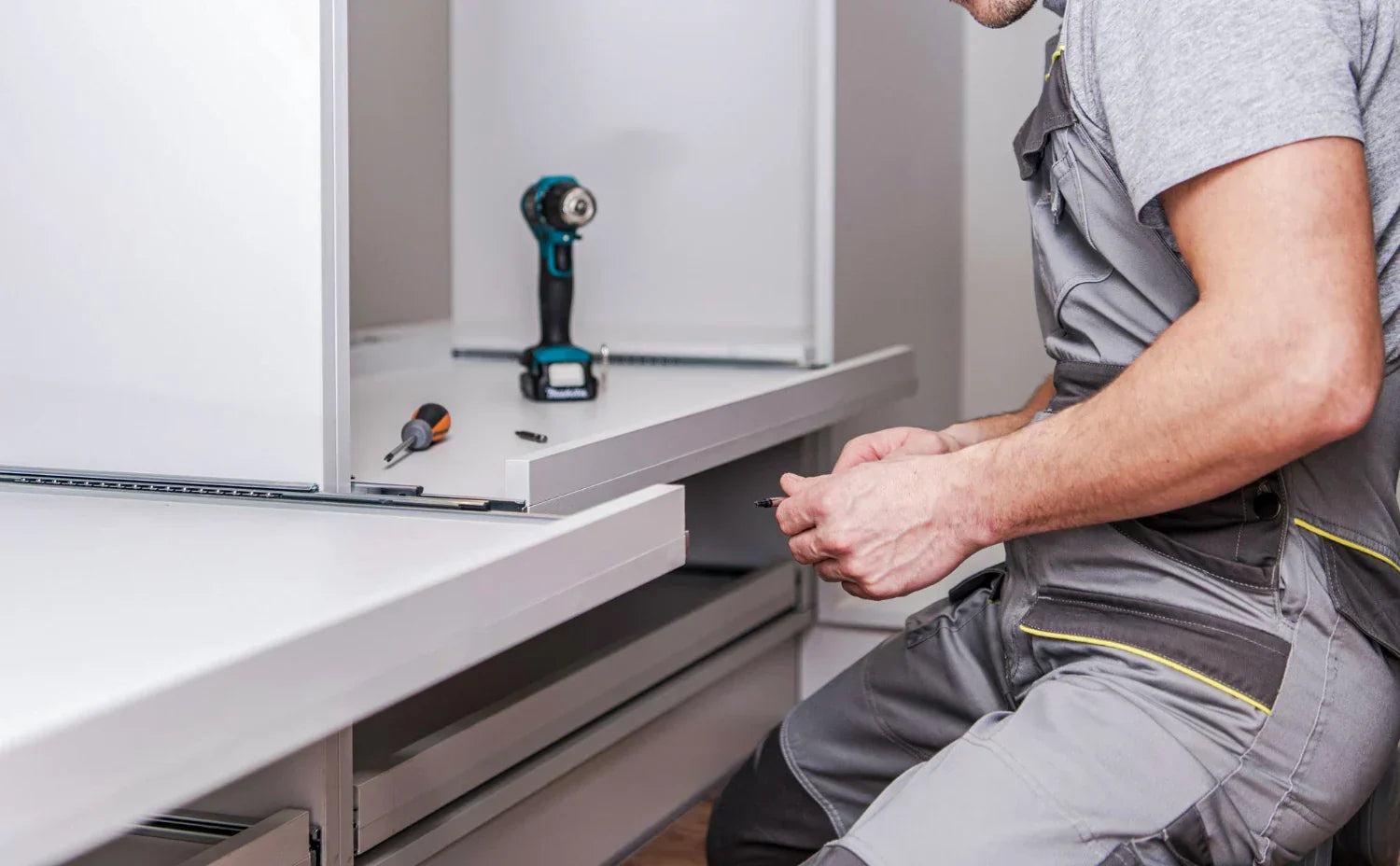
Recessed vs. Surface Mount Medicine Cabinets: Which is Best?
If you've been staring at your bathroom wall trying to figure out what kind of medicine cabinet to get, you're not alone. This is one of those decisions that feels simple on the surface (no pun intended) but actually has a lot of layers to it. Should you go with a surface mount medicine cabinet or a recessed one? What's the real difference? Which one works best for your bathroom? Let's break it all down in plain English - no jargon, no fluff - just the honest stuff you need to make a smart choice. What Even Is a Surface Mount Medicine Cabinet? A surface mount medicine cabinet is exactly what it sounds like. It mounts directly onto the wall without cutting into the drywall or studs. You hang it, you bolt it, and it sticks out from the wall by a few inches. Simple, clean, done. These cabinets come in tons of styles - with mirrors, without mirrors, with lights, without lights. They work for pretty much any bathroom, whether you're dealing with a tight corner in a small bathroom or a wide open wall in a master bath. The biggest thing to know: installation is way easier with a surface mount than with a recessed cabinet. You don't need to worry about what's inside the wall; no cutting is required, and most people can hang one themselves in under an hour. And What About a Recessed Medicine Cabinet? A recessed medicine cabinet sits inside the wall. You cut a hole in the drywall, slide the cabinet in, and it sits flush with the surface. The result looks really sleek and built-in - like it was always meant to be there. If you're going for a clean, minimalist look in your bathroom, a recessed cabinet is tough to beat. The downside? Installation is more involved. You've got to check for insulation, electrical wiring, plumbing, and studs before you start cutting. In some bathrooms - especially ones with insulated exterior walls or walls packed with pipes - a recessed cabinet just isn't an option. Most homeowners who go the recessed route hire a contractor, especially if it's their first time doing it. Recessed vs Surface Mount Medicine Cabinet: The Real Comparison When you're weighing a recessed vs surface mount medicine cabinet, there are a few things you really need to think about: 1. Your Wall Type This is the first question to ask. Do you know what's inside your bathroom wall? If you've got a thin interior wall with empty space between studs, a recessed cabinet might work great. But if you've got an exterior wall, tile, or concrete behind the drywall, a surface mount is your friend. 2. Installation Difficulty Surface mount wins this round, hands down. You don't need any special tools or wall knowledge. Most come with basic hardware and can be hung in the same afternoon you bring them home. A recessed installation takes planning. You'll need to measure twice (or ten times), check for hidden hazards in the wall, and possibly patch drywall if things go sideways. 3. How Much Space You're Working With This one matters a lot, especially if you've got a smaller bathroom. A surface-mount cabinet sticks out from the wall, which means it takes up some of your floor-adjacent space. In a tight bathroom, this can feel like the cabinet is crowding you. A recessed cabinet doesn't eat into the room at all. It sits flush, so it's perfect for small bathroom vanity areas where every inch counts. 4. Storage Depth Here's something most people don't think about until it's too late: recessed cabinets are typically shallower because they're limited by the wall depth (usually 3.5 to 4 inches). Surface-mount cabinets can be made deeper, which means more room for bulkier items like hairspray, bottles, and first aid supplies. If you need serious storage, a surface mount might actually give you more room to work with. Bathroom Storage Solutions: Thinking Beyond the Cabinet Whether you go recessed or surface mount, your medicine cabinet is just one piece of the puzzle when it comes to bathroom storage solutions. Most bathrooms need more than one spot to stash stuff. Here are some things worth thinking about alongside your cabinet choice: Floating shelves - Great for towels, candles, or decorative items. They don't take up floor space and look really modern. Under-sink organizers - If you've got a vanity with cabinet doors underneath, that space is gold. Stackable bins and pull-out drawers make it way more useful. Drawer dividers - The small stuff (cotton swabs, hair ties, nail clippers) tends to take over. Dividers keep things from becoming a tangled mess. Over-toilet shelving - One of the most underused spots in any bathroom. A simple shelf unit above the toilet can hold extra toilet paper, towels, and more without taking up floor space. These bathroom storage ideas work alongside your medicine cabinet to create a system that actually keeps your bathroom feeling organized, not cluttered. Shower Storage Ideas That Work With Your Bathroom Setup While we're talking storage, let's not forget the shower. A lot of people focus on medicine cabinets and ignore what's happening inside the actual shower - and then end up with a lineup of bottles on the floor or a crammed corner caddy that falls down every other day. Here are some shower storage ideas worth considering: Built-in shower niches - These are recessed shelves inside the shower wall. Same concept as a recessed medicine cabinet - they sit flush and look clean. Great for shampoo, conditioner, and body wash. Corner shelves - Easy to install, affordable, and they make use of space that's usually wasted. Tension pole caddies - No drilling, no installation. These stand between the floor and the ceiling of your shower. Good for renters or anyone who doesn't want to touch the tile. Magnetic strips - Sounds weird for a shower, but waterproof magnetic strips can hold metal razor handles and other tools right on the wall. Getting your shower storage sorted out means your medicine cabinet doesn't have to do all the heavy lifting. When everything has a place, the whole bathroom just feels better. Medicine Cabinet With Mirror: Do You Need One? Almost every medicine cabinet these days comes with a mirror on the front. And honestly, that's one of the biggest selling points. You get storage and a mirror in one, which saves wall space you'd otherwise use for a separate mirror. A medicine cabinet with mirror is especially practical if your bathroom has limited wall space or only one light source. You can position the cabinet right where you need it - above the sink, at eye level - and the mirror works perfectly for morning routines. Some models even come with built-in lighting around the mirror, which is a nice bonus if your bathroom lighting isn't great. These lit mirrors are huge right now in bathroom design, and they make a real difference when you're trying to do makeup or shave. Recessed Medicine Cabinet With Mirror: Best of Both Worlds? If you want the clean, built-in look AND a functional mirror, a recessed medicine cabinet with a mirror is a solid pick. You get the flush wall profile, the hidden storage, and the mirror - all in one unit. These are especially popular in modern and contemporary bathrooms where the design goal is to keep things minimal and streamlined. No extra frames, no bulky protrusions, just a smooth mirror that opens up to reveal everything you need. The tradeoff, again, is installation. You've got to be prepared to cut into the wall and deal with whatever's back there. But if you're already doing a bathroom renovation, this is a great time to get it done right. How This Fits Into Your Overall Vanity Setup Your medicine cabinet doesn't exist in a vacuum. It's part of your whole vanity setup, and the right choice depends on what else you've got going on in the bathroom. If you're working with a floating vanity - one of those wall-mounted designs with no legs - you already know the look you're going for: clean, modern, airy. A recessed medicine cabinet or a surface mount with a slim profile will complement that aesthetic much better than a big chunky cabinet. Floating vanity tops are also trending right now, and they pair really well with recessed cabinets because both give you that built-in, custom feel. The whole bathroom ends up looking cohesive, like it was designed on purpose rather than thrown together piece by piece. If you're going more traditional with your vanity, a surface-mount medicine cabinet with a framed mirror can look really sharp and intentional. Small Bathroom? Here's What to Focus On For anyone working with a small bathroom, storage decisions feel even more high-stakes. You've got less room to experiment, so you want to get it right the first time. Here's the honest truth about small bathroom vanities and medicine cabinets in tight spaces: If your wall allows it, a recessed cabinet is better because it doesn't eat into your space. If recessed isn't possible, choose a surface mount that's as shallow as possible. Go tall rather than wide if you can - a taller cabinet gives you more storage without taking up more wall width. A mirrored cabinet does double duty and eliminates the need for a separate mirror. And don't forget vertical space. Most people in small bathrooms focus so much on the vanity and medicine cabinet that they ignore everything above eye level. Tall storage towers, stacked shelves, and hooks on the back of the door can dramatically increase your usable storage without touching a single wall stud. What to Look for When Shopping Whether you end up going surface mount or recessed, here's a quick checklist of things to look at when you're shopping: Size - Measure your wall space before you go anywhere near a store or website. Know your width, height, and depth limits. Number of shelves - More shelves with adjustable heights give you flexibility as your storage needs change. Mirror quality - If it comes with a mirror, check the thickness and whether it's anti-fog. A cheap mirror in a humid bathroom fogs constantly. Soft-close hinges - Small thing, big quality-of-life upgrade. No slamming doors at 6 am. Finish - Brushed nickel, matte black, chrome - pick something that matches your faucets and other fixtures so the bathroom looks pulled together. Lighting - If you want built-in lights, make sure you've got an outlet nearby or plan for electrical work. Final Verdict: Which One Should You Get? Here's the short version: Get a recessed medicine cabinet if: Your wall allows it (interior wall, no insulation or pipes) You want a clean, flush look You're doing a full bathroom renovation anyway Space is tight, and you don't want anything sticking out Get a surface-mount medicine cabinet if: You want an easy, DIY-friendly installation Your wall isn't suitable for cutting (tile, exterior wall, concrete) You need deeper storage You're renting or don't want permanent wall changes At the end of the day, both types work well. The best one for you is the one that actually fits your bathroom, your budget, and your lifestyle. Don't overthink it - pick the one that solves your specific problem, and then use the tips in this post to fill in the rest of your storage needs around it. A well-organized bathroom doesn't have to be complicated. It just has to work for you.
Read moreDreamwerks BLOG / ARTICLES

Do You Need an Electrician for a Lighted Medicine Cabinet
So you just picked out a beautiful lighted medicine cabinet for your bathroom and now you're staring at it, wondering - do I need to call an electrician for this, or can I handle it myself? Totally fair question. And honestly, the answer depends on a few things. Let's break it all down so you can make a smart decision before you pick up a screwdriver - or a phone. What Is a Lighted Medicine Cabinet, Anyway? A lighted medicine cabinet is basically a two-in-one - you get storage space behind a mirror, plus built-in lighting around or inside the cabinet. Most of them run on electricity, which is why people start wondering whether they need professional help. Some models plug directly into an outlet. Others are hardwired, meaning they connect straight into your home's electrical system with no plug involved. That difference right there is what determines how complicated the installation gets. When You Probably Don't Need an Electrician If your new bathroom mirror cabinet with lights is a plug-in model, and there's already an outlet nearby in your bathroom, you're likely in good shape to DIY this. Here's why: The medicine cabinet installation itself - mounting the cabinet to the wall - is pretty straightforward for most homeowners. You'd be dealing with basic carpentry stuff: finding studs, drilling, and securing the cabinet in place. No electrical work needed beyond plugging it in. The same goes for surface-mounted cabinets. They sit on the wall instead of inside it, so you skip all the wall-cutting headaches. As long as you're mounting it at the right height and there's a nearby outlet, you can likely do it yourself on a weekend afternoon. When You Should Definitely Call an Electrician Here's where things get real. If your cabinet is hardwired - and a lot of the nicer models are - you're going to need someone licensed to handle the wiring. In most states, connecting directly to your home's electrical system without a permit or proper license is illegal. It can also void your homeowner's insurance if something goes wrong. Beyond legality, bathrooms are wet environments. The combination of water and electricity is no joke. A licensed electrician knows how to handle GFCI outlets, proper circuit protection, and moisture-rated wiring - things that directly protect your family. So if your mirrored cabinet with lights needs to be hardwired, don't risk it. Hire a pro. What About Recessed vs. Surface Mount? This matters a lot during bathroom cabinet installation. Here's the quick breakdown: Surface Mount Cabinets - These attach directly to the wall. Easier to install, less disruption, and great for bathrooms where you can't or don't want to cut into the wall. Still need to secure into the studs properly. Recessed Cabinets - These go inside the wall, giving you a flush, built-in look. Way more work. You'll need to cut an opening, check for studs and plumbing, and potentially deal with wiring inside the wall. If you go recessed AND hardwired, you really should have a professional involved. Getting the Medicine Cabinet Mounting Height Right A super common mistake people make is hanging the cabinet too high or too low. The standard rule of thumb for medicine cabinet mounting height is to center the mirror portion at eye level - for most adults, that's around 60 to 65 inches from the floor to the center of the cabinet. If multiple people of different heights use the same bathroom, aim for somewhere in the middle. Also, account for the countertop height - you don't want to be craning your neck every morning just to see your reflection. For kids' bathrooms, you can go a bit lower, obviously. Just think about who's actually using the space every day. Understanding Standard Medicine Cabinet Sizes Before you even start the installation, make sure your cabinet fits your wall space. Standard medicine cabinet sizes typically range from about 14 inches wide up to 30 inches or more. The most common sizes you'll see are: • 14" x 18" - Good for small powder rooms • 16" x 26" - Very popular, fits most single-sink vanities • 24" x 30" - Works well for larger vanities • 30" x 30" - Great for double vanities or wide bathroom walls Measure your wall space carefully, especially if you're going recessed. You need to make sure there's no plumbing or electrical running through the area where you plan to cut. Steps for a Basic Bathroom Medicine Cabinet Installation If you've confirmed you have a plug-in model and you're comfortable with basic home improvement tasks, here's a general idea of what bathroom medicine cabinet installation looks like: Step 1: Pick your location. Think about the mounting height, proximity to the sink, and whether you're going with a surface or recessed. Step 2: Find your studs. Use a stud finder. This is non-negotiable if you want the cabinet to actually stay on the wall. Step 3: Mark your mounting points. Use a level. A crooked cabinet is going to bug you every single day. Step 4: Drill and mount. Follow the manufacturer's instructions. Most cabinets come with a template or mounting hardware. Step 5: Connect the light. Plug it in, or if hardwired - call your electrician at this point if you haven't already. Step 6: Check it. Open and close the door, check the mirror, test the lights. How Much Does It Cost to Hire an Electrician? If you do need electrical work done, here's a rough idea of what to expect. Most electricians charge between $50 and $100 per hour. For a straightforward hardwired bathroom mirror cabinet with lights, you're probably looking at one to three hours of work, depending on your home's setup. If you need a new circuit run or a GFCI outlet added, that can add to the cost. Get a quote upfront so there are no surprises. Tips for Choosing the Right Lighted Medicine Cabinet Not all cabinets are created equal. Here's what to look for when you're shopping: Lighting type matters. LED lighting is the way to go. It lasts longer, uses less energy, and gives off a clean, bright light that's great for getting ready in the morning. Check the IP rating. This tells you how moisture-resistant the cabinet is. For bathrooms, look for at least IP44 or higher. Think about storage. A mirrored cabinet with lights that looks amazing but has zero shelf space inside isn't going to help you much. Look for adjustable shelves. Consider the door style. Single door, double door, mirrored on both sides - all options exist. Pick what makes sense for your space and how you use it. Common Mistakes to Avoid Here are a few things people get wrong when doing medicine cabinet installation on their own: Skipping the level. Eyeballing it never works. Always use a level. Not checking for pipes or wiring inside the wall. Especially important for recessed installs. Use a stud finder that also detects wiring and pipes, or get a professional opinion first. Ignoring the weight limit. A cabinet full of toiletries can get heavy. Make sure you're mounting into studs, not just drywall. Forgetting about the outlet location. If your plug-in model's cord is short, you might end up with the cord hanging visibly down the wall. Plan ahead. Final Verdict: Do You Need an Electrician? Here's the simple version: If your lighted medicine cabinet is a plug-in model and you're comfortable with basic DIY - go for it. Take your time, use a level, find your studs, and follow the instructions. If it's hardwired - hire a licensed electrician. It's worth every penny for the safety and peace of mind. And if you're doing a recessed installation in an older home where you're not sure what's inside the walls - even for a plug-in model, it doesn't hurt to get a professional to at least check things out before you start cutting. A well-installed bathroom mirror cabinet with lights can completely transform the feel of your bathroom. It's one of those upgrades that looks expensive but doesn't have to be - as long as you do it right the first time.

Guide for Medicine Cabinet Installation with Trends & Sizes?
When it comes to a bathroom refresh, we often obsess over the tile or the hardware, but there is one hero that does the heavy lifting every single day: the medicine cabinet. In 2026, the humble storage box has evolved. It’s no longer just a place to hide your toothpaste; it’s a high-tech grooming station that can define the entire "vibe" of your sanctuary. If you’re looking to upgrade, you’ve likely realized that medicine cabinet installation involves more than just driving a few screws into a wall. From choosing between a sleek mirrored cabinet with lights to understanding the "Golden Rule" of mounting height, this guide covers everything you need to know to get it right the first time. 1. The Big Debate: Recessed vs. Surface Mount The first decision in any bathroom cabinet installation is how it sits on your wall. This choice affects both the look of your room and the complexity of the project. Recessed Installation (The "Built-In" Look) A recessed bathroom medicine cabinet installation involves tucking the unit into the wall cavity. The Pro: It offers a flush, minimalist appearance that makes small bathrooms feel significantly larger. The Catch: You’ll need a wall depth of at least 4 inches and a clear space between studs (usually 16 inches apart). You also have to be 100% sure there aren't any sneaky pipes or electrical wires behind the drywall. Surface Mount (The "Weekend Warrior" Favorite) This is the most straightforward medicine cabinet installation. The cabinet hangs directly on the wall surface. The Pro: It’s incredibly DIY-friendly and works on any wall type, even solid brick or tile. The Catch: The cabinet will protrude 4 to 8 inches. In a tight space, you might find yourself bumping into the corners if it’s not positioned correctly. 2. Cracking the Code on Standard Medicine Cabinet Sizes Choosing the right size is a balancing act. If it’s too small, it looks like a postage stamp on a billboard; too large, and it overwhelms the room. Cabinet Size Ideal For Best Use Case Small (15" – 20" wide) Powder Rooms Half-baths where only the essentials (soap, aspirin) are kept. Medium (24" wide) Standard Single Vanities The "sweet spot" for most American guest bathrooms. Large (30" – 48" wide) Master Suites Perfect for couples who need separate "zones" for skincare and grooming. Pro Tip: Your cabinet should generally be 1 to 2 inches narrower than your vanity to maintain visual balance. If you have a massive double sink, consider installing two separate 24-inch cabinets instead of one giant one-it looks more high-end and symmetrical. 3. The 2026 Glow-Up: Mirrored Cabinet with Lights In 2026, a "plain" mirror is officially out. The biggest trend in bathroom design is the lighted medicine cabinet. Why? Overhead lights create "raccoon eyes"- those annoying shadows under your eyes that make it impossible to apply makeup or get a clean shave. A mirrored cabinet with lights provides front-lit "task lighting" that illuminates your face evenly. Features to Look For in a Lighted Medicine Cabinet: CCT Tuning: This allows you to switch from "Warm White" (relaxing for evening baths) to "Daylight" (perfect for morning prep). Built-in Defoggers: No more wiping the mirror with a towel after a hot shower. Smart Sensors: Wave your hand to turn the lights on-no more messy fingerprints on the glass. 4. Medicine Cabinet Mounting Height: The "Golden Rule." This is where most people get it wrong. The standard medicine cabinet mounting height is generally 64 inches from the floor to the center of the mirror. However, "standard" doesn't always mean "perfect for you." Here is how to customize it: The Eye-Level Test: Stand in front of the wall. Your eyes should land roughly in the center of the mirror's vertical span. The Faucet Gap: Leave at least 5 to 10 inches of space between the top of your faucet and the bottom of the cabinet. This prevents water from splashing onto the mirror and ensures the door can swing open without hitting the hardware. The Ceiling Clearance: If you have a bathroom mirror cabinet with lights, ensure there is enough room at the top for the light to disperse without being blocked by a soffit or crown molding. 5. Advanced Features You Didn't Know You Needed Modern bathroom mirror cabinets with lights are basically computers for your wall. When shopping for your Dreamwerks upgrade, look for these "hidden" gems: Internal Outlets: Charge your electric toothbrush or razor inside the cabinet to keep your counter clutter-free. Magnetic Strips: Perfect for holding tweezers, nail clippers, and bobby pins. Hidden Mirrors: High-end models have mirrors on the inside of the door and the back of the cabinet, so you can see the back of your hair while you style it. 6. DIY Medicine Cabinet Installation: A Quick Checklist If you’re tackling the bathroom cabinet installation yourself, keep these simple steps in mind: Check for Level: Walls are rarely perfectly straight. Use a 2-foot level to ensure your cabinet isn't leaning. Use the Right Anchors: If you aren't hitting a stud, use heavy-duty toggle bolts. A medicine cabinet full of glass bottles is heavy! Door Swing: Before drilling, "test swing" the door. Make sure it doesn't hit the side wall, a hanging towel bar, or the bathroom door. Final Thoughts Upgrading your storage isn't just about utility; it’s about making your daily routine feel a little more like a luxury experience. Whether you choose a minimalist recessed unit or a high-tech lighted medicine cabinet, getting the medicine cabinet mounting height and size right is the key to a professional finish. Ready to find your perfect match? Browse our latest collection of mirrored cabinets to find the style that fits your home.


